Shingle Roofing in Chicago, IL
Chicago Roofing Team replaces shingles and stops ice dam leaks that plague Chicago homes every winter.
We handle residential roofing of all types—from three-tab shingles to architectural designs—and service your gutters and downspouts. Call 312-313-3253 for a free roof inspection.
Call (312) 313-3253What Shingle Roofing Involves
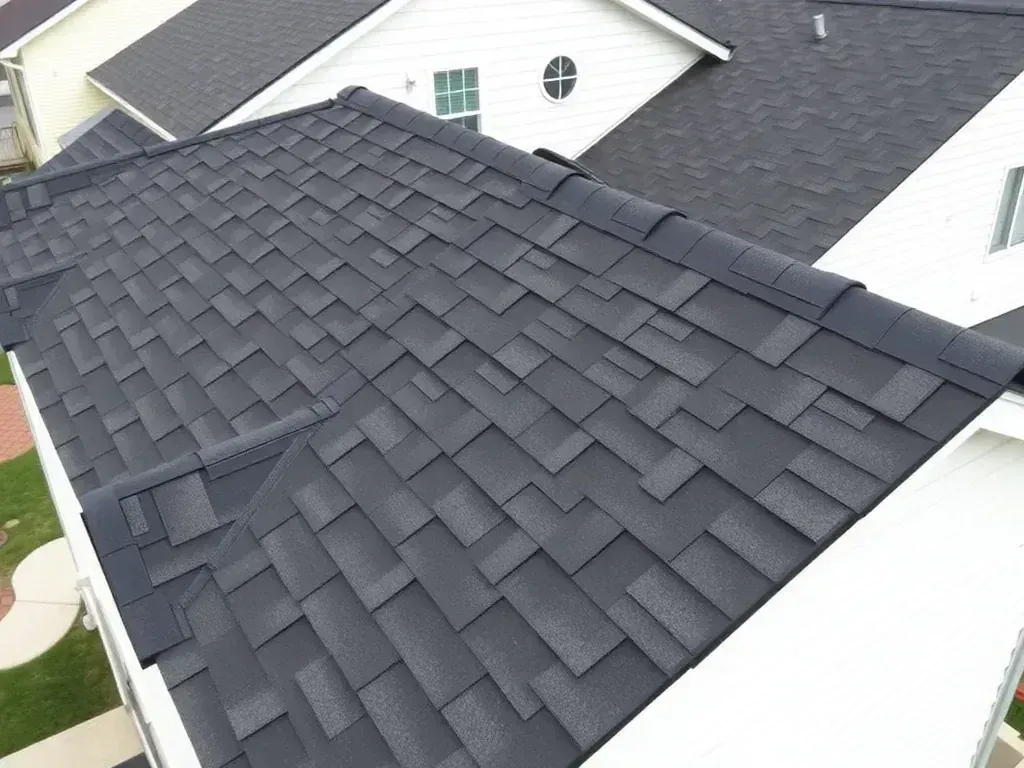
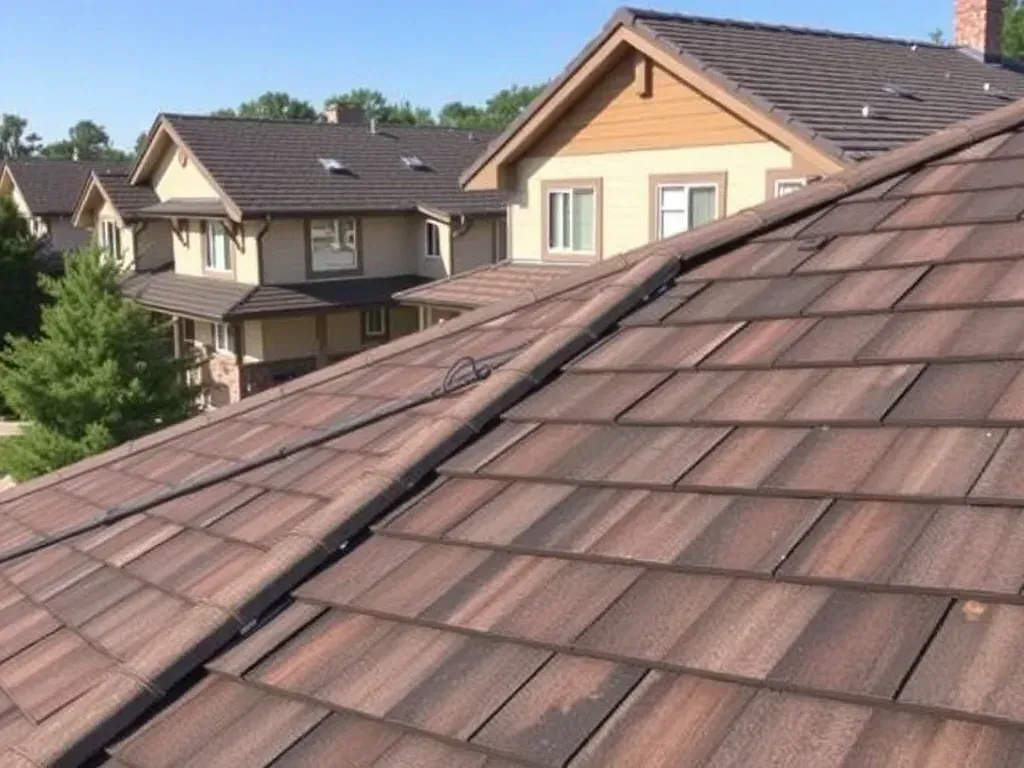
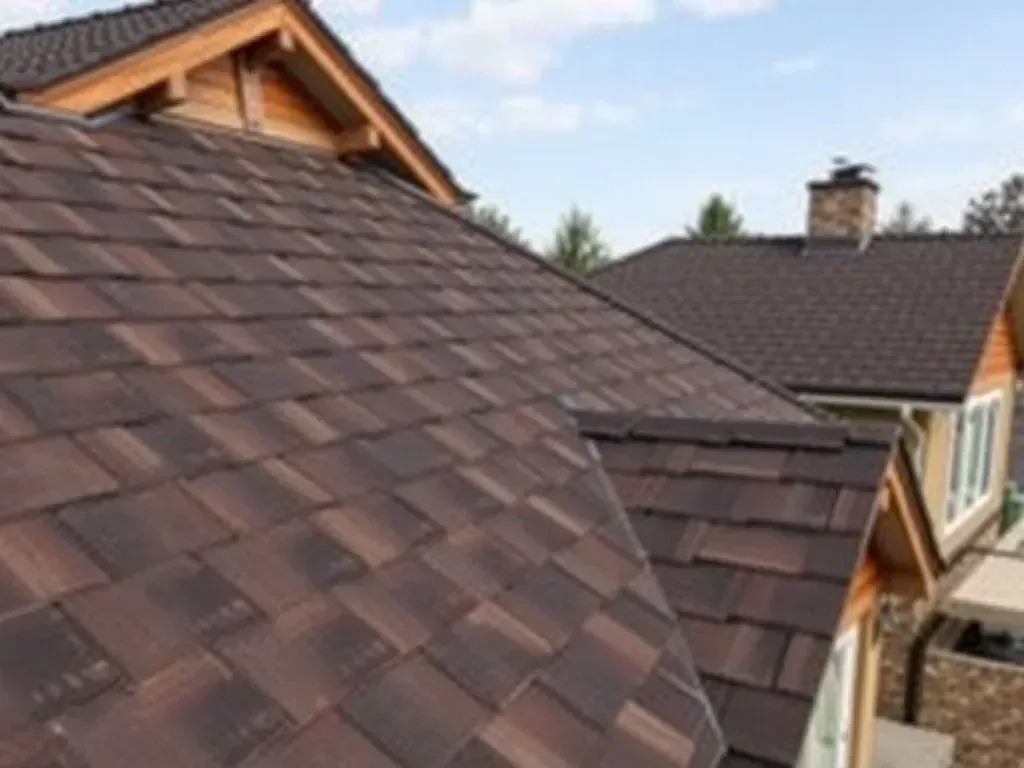
Shingle roofing is the installation or replacement of asphalt shingles—the most common material for residential roofing in Chicago.
Each shingle is a laminated, granulated product made with a fiberglass mat and coated in asphalt.
When you replace a roof, we remove the old shingles, inspect the roof deck (usually plywood or OSB), and lay down underlayment and flashing before installing new shingles in overlapping courses.
The process protects your home for 15–25 years, depending on shingle quality and local climate.
Most homes benefit from architectural shingles over basic three-tab shingles.
Architectural (also called dimensional) shingles are thicker, more durable, and offer better wind ratings and algae resistance.
Three-tab shingles are lighter and less expensive but may show age sooner in Chicago's freeze-thaw cycles.
We stock GAF Timberline HDZ, Owens Corning Duration, and CertainTeed Landmark Pro—proven performers in our region.
Why Chicago Shingles Fail
Ice dams are the arch-enemy of Chicago roofs.
When snow melts on your roofline and refreezes at the eaves, water backs up under the shingles and seeps into the attic.
That's why proper ventilation—soffit vents, ridge vents, and attic circulation—matters as much as shingle quality.
Freeze-thaw cycles crack and curl shingle edges. Winter temperatures drop to zero; shingles expand and contract dozens of times. Granule loss accelerates in these swings.
High winds tear shingles loose. Hail impacts create tiny cracks that widen over time.
Materials We Install
Shingles come in three main types:
- Three-tab shingles are single-layer asphalt products with three tabs per strip and a budget-friendly price point for homeowners.
- Architectural shingles feature laminated, multi-layer construction with enhanced wind ratings often exceeding 90 mph and superior longevity.
- Designer or luxury shingles offer premium dimensional styling with shadow lines and varied colors for the highest durability and curb appeal.
Every roof also requires these components:
- Underlayment is a synthetic or felt layer under the shingles that catches water seepage before it reaches the roof deck.
- Ice-and-water shield is self-adhered membrane applied along eaves and valleys to prevent ice dam damage from water backup.
- Drip edge is metal flange at the fascia and rake that directs water into the gutter instead of behind the soffit.
- Ridge cap shingles seal and finish the peak where roof slopes meet, preventing water intrusion at the highest point.
- Valley flashing routes water where two roof slopes meet—a frequent leak point if not sealed and overlapped correctly.
- Step flashing is metal pieces that overlap shingles where the roof meets a wall, chimney, dormer, or parapet—Chicago leaks almost always start here.
- Counter-flashing is installed at chimneys and walls to prevent water from entering the joints between flashing and the roof.
- Pipe boots and vent boots seal around vent pipes and exhaust ducts with rubber or metal to prevent water intrusion.
- Fasteners are galvanized or stainless steel nails (ring-shank nails preferred) driven through each shingle tab for secure attachment.
- Sealant and caulk are high-quality roofing cement products that ensure flashing stays watertight season after season.
Signs Your Roof Needs Replacement
Watch for these warning signs during a roof inspection:
- Missing or curled shingle edges, especially on north-facing slopes where ice dams form and wind stress is highest.
- Granule loss visible in gutters and downspouts—colored particles that coat new shingles but wash away with age and freeze-thaw cycles.
- Water stains on interior ceilings, especially after heavy rain or spring snowmelt, indicating active leaks through the roof.
- Exposed nail heads or fasteners popping through shingles—a sign the decking is settling or the roof is shifting.
- Blistering, cracking, or alligatoring patterns across the shingles—evidence of UV degradation and end-of-life wear.
- Sagging or visible dips in the roofline, suggesting rotted plywood, failed rafters, or compromised trusses underneath.
- Mold or algae growth on north-facing slopes, which indicates moisture retention and advanced age in the shingle material.
- Flashing that is rusted, bent, or visibly separated from the roof surface, allowing water to seep behind the shingles.
The Installation Process
We handle every shingle roof project with the same precision we'd use on our own homes. Here's how we work:
- Inspection and Estimate: We climb your roof and check the roof deck, note rotted plywood or OSB, and photograph all problem areas. Chicago building code requires permits for replacement jobs exceeding 100 square feet. We handle all paperwork and coordinate with the city.
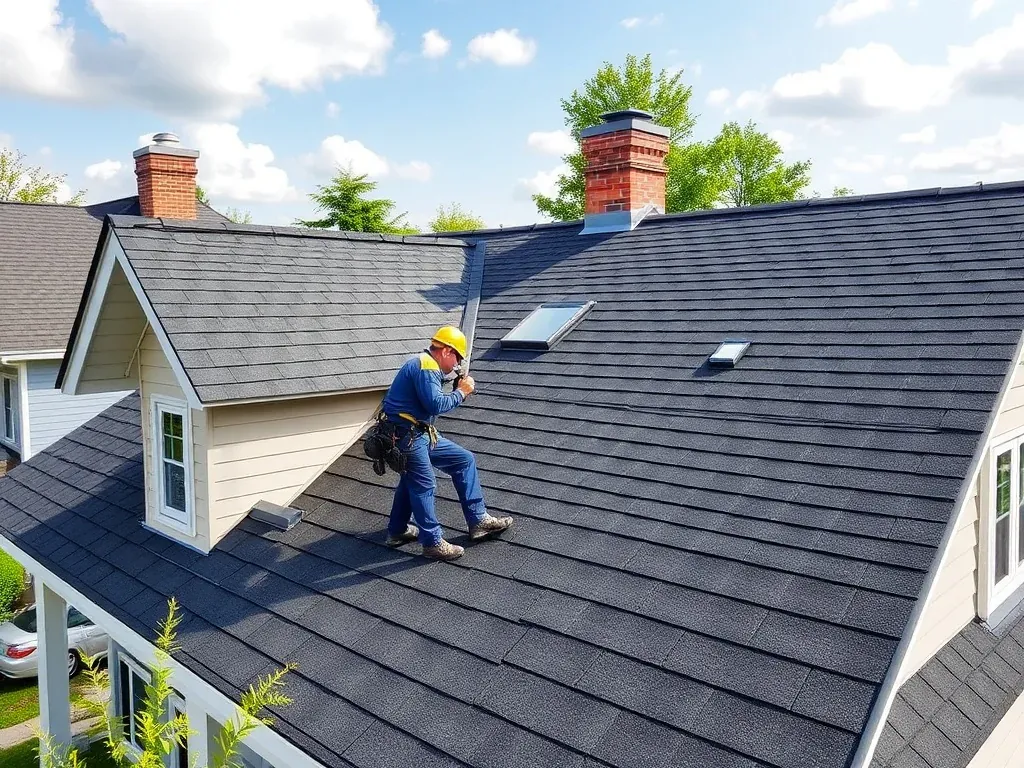
- Tear-Off: We remove all old shingles, flashing, and debris using roofing shovels, pry bars, nail guns, air compressors, and dumpsters. Safety harnesses and scaffolds protect our crew on steep pitches.
- Decking Repair: If plywood or OSB shows rot or decay, we replace it. We inspect rafters, ridge beams, joists, and ventilation systems. This step is often skipped by rushed contractors—we never do.
- Underlayment and Flashing: We install synthetic underlayment across the entire roof deck. We apply ice-and-water shield along eaves and valleys. We set drip edge, step flashing, counter-flashing, pipe boots, and vent boots. Every flashing joint receives sealant.
- Shingle Installation: We lay a starter course at the eave, then install field courses in staggered rows using ring-shank nails. Proper lap and exposure follow manufacturer specifications exactly. Ridge cap finishes the job.
- Cleanup and Walkthrough: We remove all debris, sweep gutters and downspouts, and conduct a final inspection. We document the work with photos and provide a warranty certificate.
Typical timeline for a Chicago home (1,500–2,500 sq ft): 2–4 days, depending on complexity, weather, and roof features like dormers or skylights.
Cost Factors for Chicago Roofs
Shingle roofing cost varies based on several factors:
- Shingle grade—three-tab ($5–$8 per square foot), architectural ($8–$12), or designer shingles ($12–$16 or higher).
- Roof size and pitch—steeper roofs and larger square footage (measured in roofing squares: 100 sq ft = 1 square) increase labor and materials.
- Decking repairs—rotted plywood or OSB replacement adds $2,000–$5,000 or more depending on extent.
- Flashing and valleys—complex roofs with multiple valleys, chimneys, and parapets require more labor and material.
- Ventilation upgrades—ridge vents, soffit vents, and attic fan installation may cost $1,000–$2,500 but prevent future ice dam damage.
- Insurance claims—hail damage or storm damage may cover part or all of replacement cost; we handle claim paperwork and estimates.
Typical Chicago replacement (2,000 sq ft, architectural shingles, minimal decking repairs): $10,000–$15,000. Many homeowners file insurance claims after hail impact or heavy wind events.
Warranty, Insurance, and Building Code
We provide a 10-year workmanship warranty on labor and flashing installation. Shingles carry manufacturer warranties of 15–30 years depending on product grade.
Shingles are covered against defects in material; our workmanship warranty covers installation, flashing, and sealing quality.
Chicago and Illinois building code requires a Trusted roofing contractor, a permit for replacement over 100 square feet, and city inspection after installation in some jurisdictions.
Wind uplift ratings must meet local standards (typically 90 mph or higher). Proper soffit and ridge ventilation is required on most homes.
Roof structure must support typical winter snow loads.
We carry all licenses, insurance, and bonding. We file permits. We coordinate inspections. We stand behind every roof we replace.
What's Included
- Complete roof inspection and decking assessment to identify rotted plywood or structural issues.
- Tear-off of all old shingles, flashing, and underlayment with full cleanup and debris removal.
- New synthetic underlayment across the entire roof deck and ice-and-water shield along eaves and valleys.
- Premium asphalt shingles (architectural or three-tab, your choice) installed with proper lap and fastener placement.
- Flashing repair or replacement including step flashing, counter-flashing, chimney flashing, and vent boots.
- Ridge cap installation and valley sealing to prevent future leaks.
- 10-year labor warranty and manufacturer warranty transfer (15–30 years depending on shingle grade).
- City permit filing and inspection coordination (if required in your jurisdiction).
Our Shingle Roofing Process
- Inspection and Planning: We perform a detailed roof inspection, photograph problem areas, and create a scope of work. We obtain permit approval if needed and answer all your questions before starting.
- Tear-Off and Decking Check: All old shingles, flashing, and underlayment are removed. We examine the roof deck for rotted plywood or OSB. Any damaged decking is replaced before new installation begins.
- Underlayment, Flashing, and Protection: We install synthetic underlayment, ice-and-water shield, drip edge, and all flashing components (step flashing, counter-flashing, pipe boots, vent boots). Every joint is sealed with roofing cement.
- Shingle Installation: We lay a starter course at the eave, then install courses of shingles in a staggered pattern using ring-shank nails. Ridge cap is installed to finish the peak and seal it against water.
- Final Inspection and Cleanup: We walk the roof with you, inspect every seam, sweep gutters and downspouts, and remove all debris. We provide photos and a warranty certificate.
Signs You Need Shingle Roofing
Warning Signs Your Shingles Need Replacement
- Missing or curled shingles, especially on north-facing slopes where ice dams form and wind stress is greatest.
- Granules washing into gutters and downspouts—a sign shingles are nearing end-of-life in Chicago's harsh freeze-thaw climate.
- Water stains on interior ceilings, attic walls, or insulation after rain or snowmelt indicate active leaks through the roof.
- Exposed nail heads popping through shingles, a warning that the roof deck is settling or shifting beneath the shingles.
- Blistering, cracking, alligatoring patterns, or visible UV fading across the shingle surface—signs of age and degradation.
- Sagging or visible dips along the roofline suggest rotted framing (rafters, trusses, joists) that need professional evaluation.
- Flashing separation or rust at chimneys, dormers, parapets, and valleys where water enters most often.
- Ridge vents or soffit vents blocked by ice, debris, or poor ventilation preventing proper attic airflow.
Don't just take our word for it — hear from our satisfied customers.
"Our roof in Lincoln Park was failing—ice dams every winter, granules in the gutters.
Chicago Roofing Team replaced it with architectural shingles, added proper ventilation, and the difference is night and day. No more ice backups.
Highly recommend." – Sarah M., Lincoln Park
"After a hail storm damaged shingles on our Pilsen home, we called for a free estimate.
They handled the entire insurance claim, inspected the deck, and did a beautiful job. Fair pricing, professional crew, quick turnaround.
Will call them again." – Marcus D., Pilsen
"We live in Wicker Park and had some roof leaks in the spring thaw.
The team found step flashing that was rusted and replaced it along with the damaged shingles. Solid workmanship and they cleaned up every nail.
Great experience." – Jennifer R., Wicker Park
Ready to get started? Call us today at 3123133253 for a free estimate.
Free estimates · Trusted · warranty
Call (312) 313-3253